
Early Robotics Projects — LEGO MINDSTORMS
Published:
Overview
Before formal engineering coursework, I explored robotics through LEGO MINDSTORMS — a platform that lets you design, build, and program physical robots without needing custom hardware. These projects introduced me to the core challenges of robotics: locomotion, sensing, actuation, and mechanical structure.
Each build started from a concept and required iterating on both the physical design and the control logic to achieve the target behavior.
Projects
Wheeled Rover
A basic differential-drive rover — the starting point for understanding ground locomotion. Explored how wheel placement and gear ratios affect maneuverability and torque.
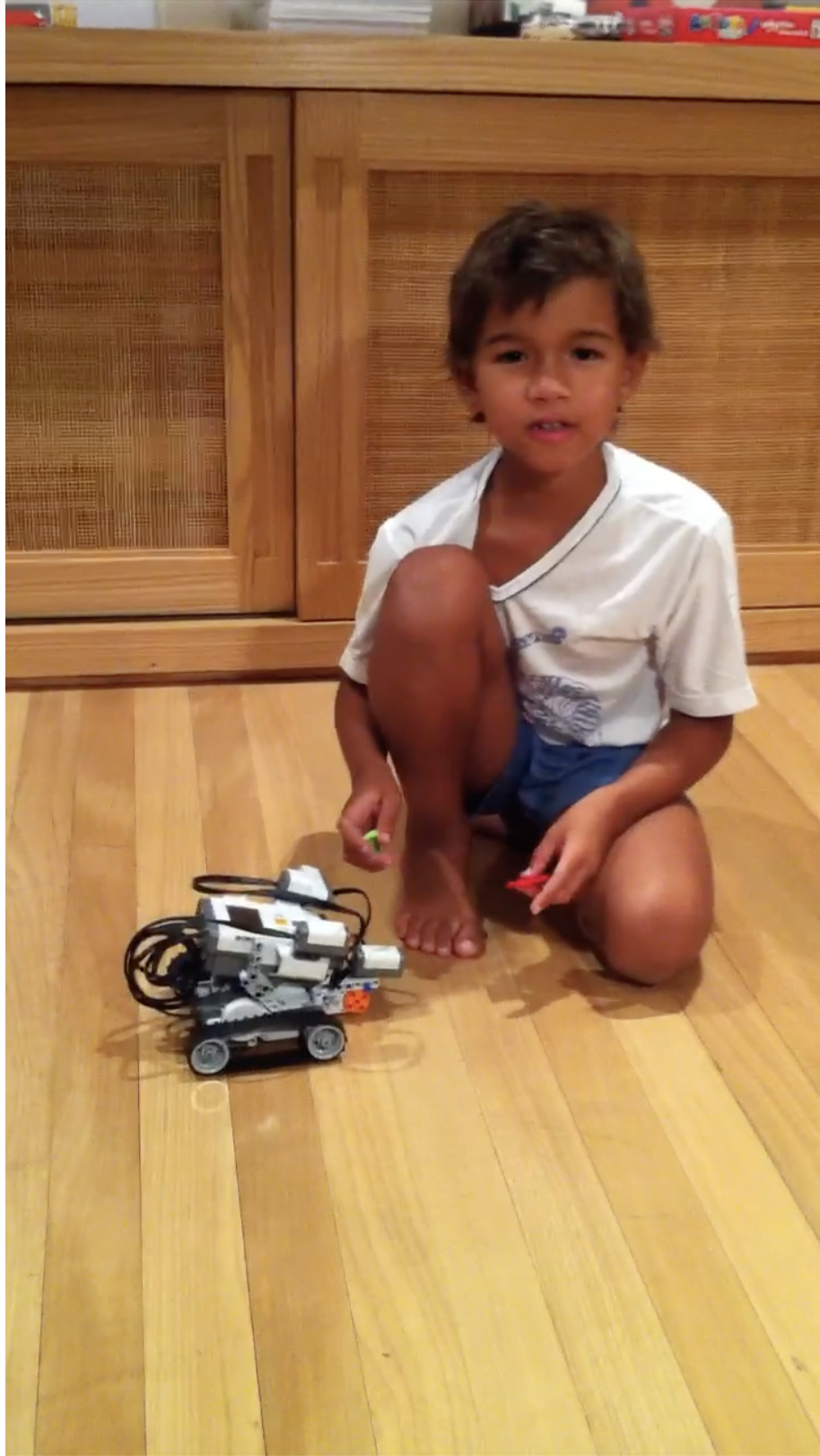
Sensor-Equipped Robot
Added ultrasonic and light sensors to a mobile platform, enabling autonomous obstacle detection and line following. This was my first experience writing feedback control logic — having the robot react to its environment rather than following a fixed script.
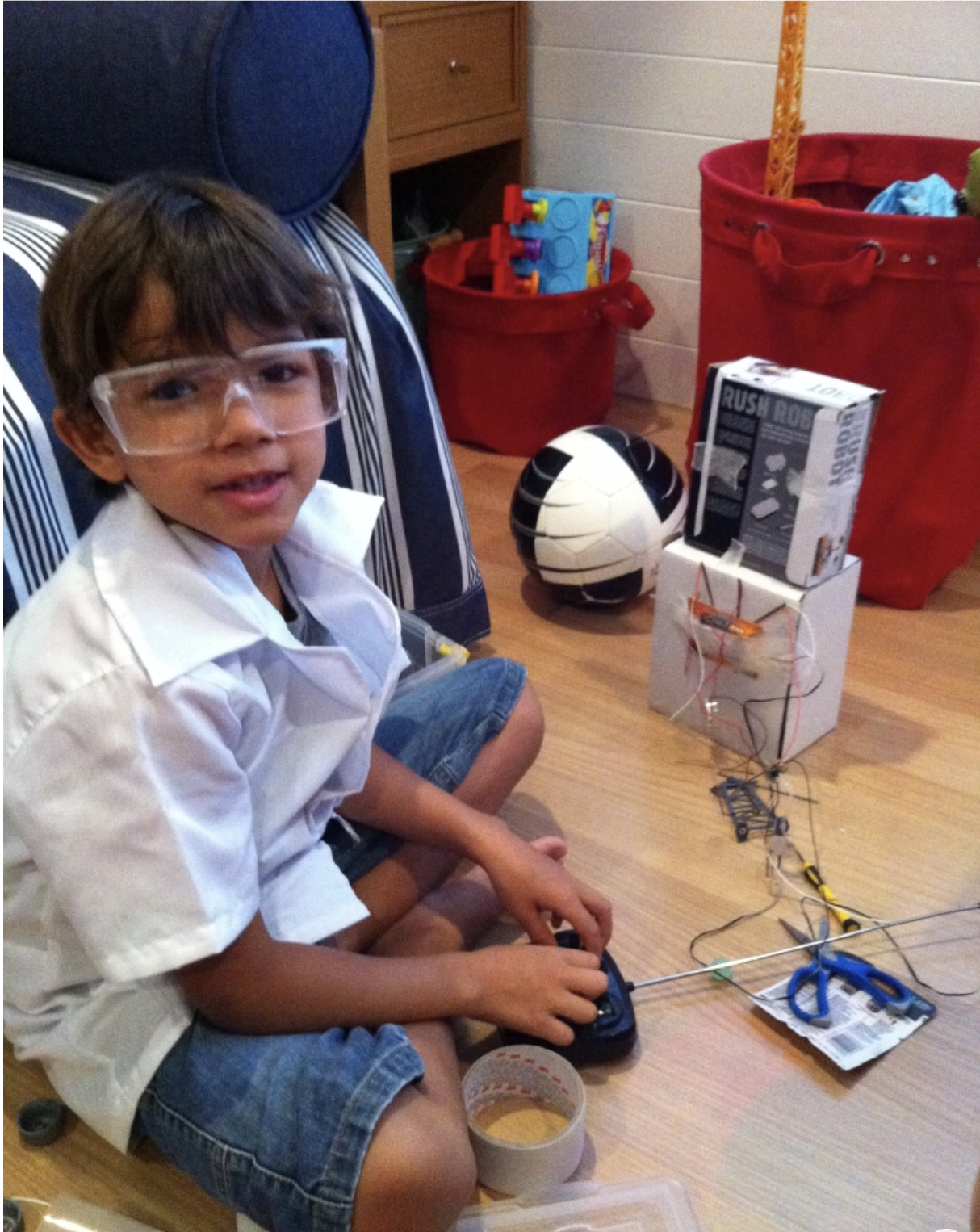
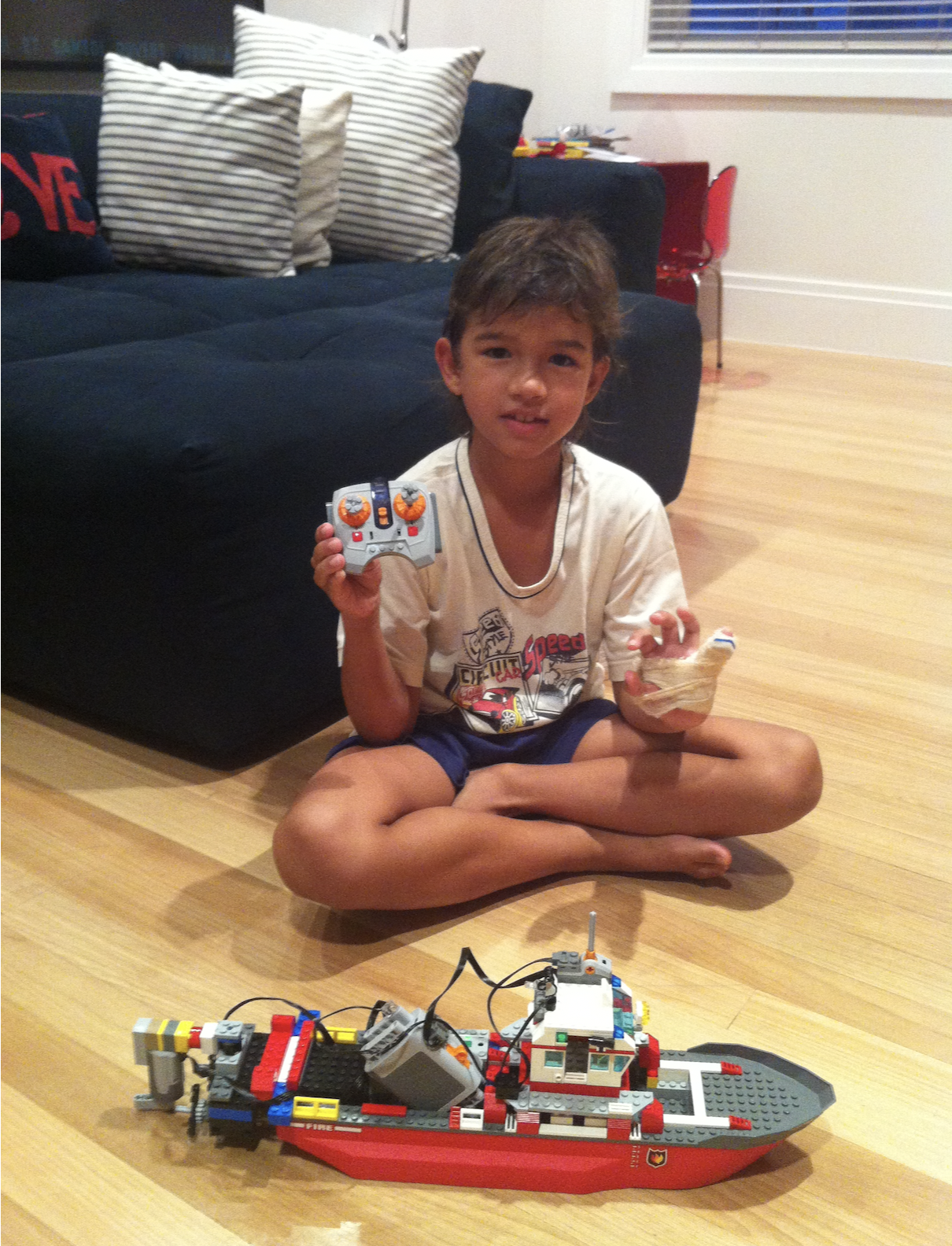
Motorized Boat
A different take on locomotion: a watercraft powered by a LEGO motor. Designing for buoyancy and thrust rather than traction introduced a new set of physical constraints.
Articulated Arm Mechanism
A multi-motor construction with an articulated arm, exploring how to coordinate multiple actuators for a compound motion. This was the most mechanically complex build and required understanding gear trains and torque multiplication.
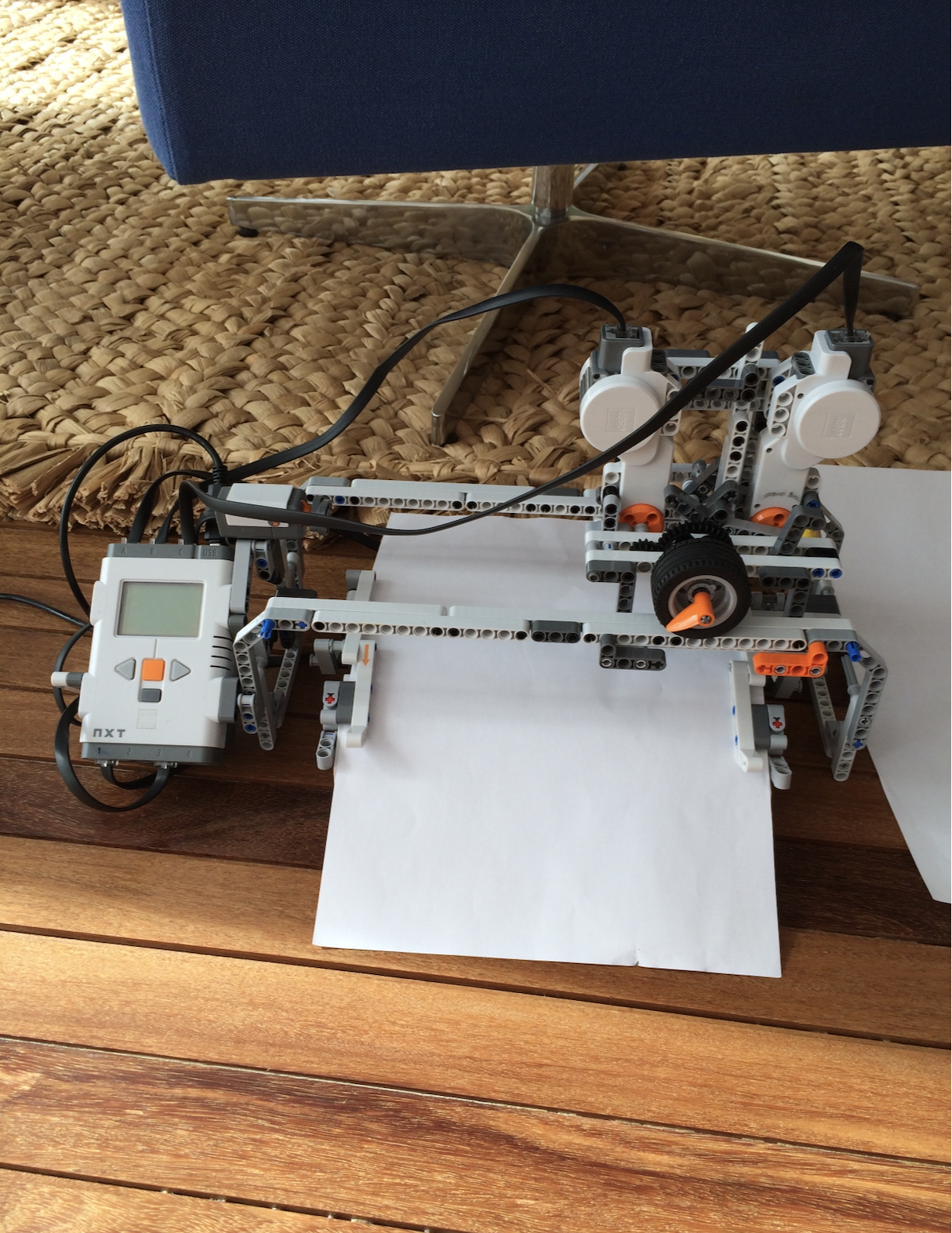
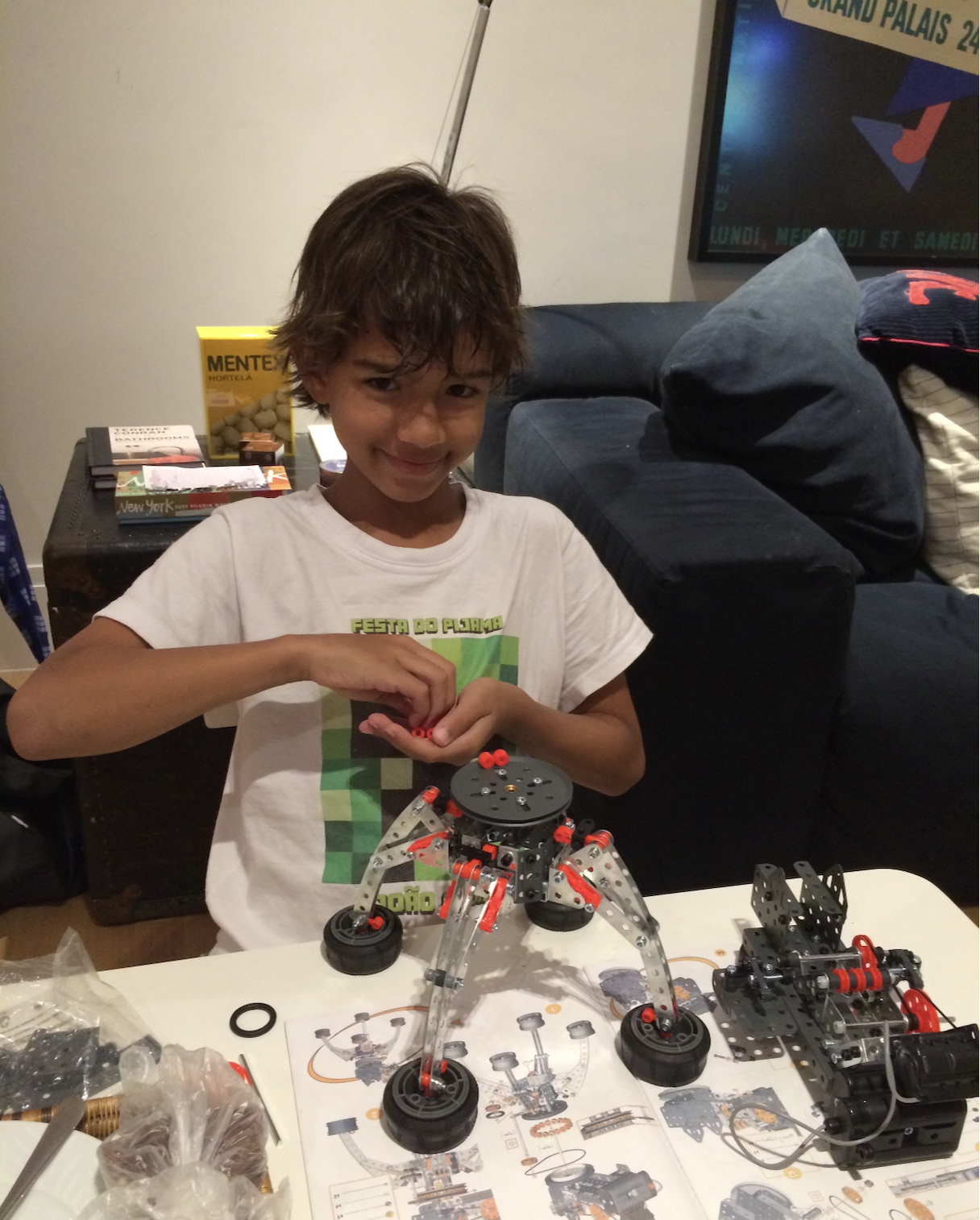
Multi-Motor Assembly
A sophisticated assembly combining multiple motors, wheels, and mechanical linkages. The focus here was power transmission and structural rigidity — understanding how the frame had to be designed to prevent flex under load.
Takeaways
These projects built intuition about physical systems that later proved directly useful when working on more advanced robotics work — particularly the importance of mechanical design as a first-class concern, not an afterthought to the control system.